U.S. energy shortfall threatens AI race against China: Nuclear plans fall short as power grids hit limits
12/04/2025 / By Finn Heartley
- U.S. Energy Deficit Cripples AI Growth – China produces 10,000+ TWh annually (double the U.S.), while America’s grid is maxed out, forcing AI data centers to halt expansion. Trump’s proposed 10 nuclear plants would add just 100 TWh—far too little, too late.
- China’s Energy Dominance Fuels AI Supremacy – With cheaper electricity (40% lower costs) and rapid infrastructure expansion, China deploys AI data centers at scale. U.S. tech firms like Microsoft and Google lack power to run existing AI hardware.
- Nuclear & Uranium Shortages Stall U.S. Progress – To match China’s output, the U.S. needs 113 reactors ($1.9 trillion, decades to build). But 25% of enriched uranium comes from Russia, and domestic mining & processing can’t meet demand.
- Renewables Fail AI’s 24/7 Power Needs – Wind/solar are intermittent; cold fusion remains suppressed. China builds coal, nuclear, and mega-dams rapidly while the U.S. debates climate policies and faces regulatory gridlock.
- China’s Lead Extends Beyond Energy – Five times more scientists/engineers, dominance in robotics/drones/rare earths, and AI models rivaling ChatGPT. Meanwhile, U.S. infrastructure decays, the dollar weakens, and domestic instability grows—urgent decentralization & gold-backed assets are critical.
America’s Power Crisis Leaves AI Ambitions in the Dust
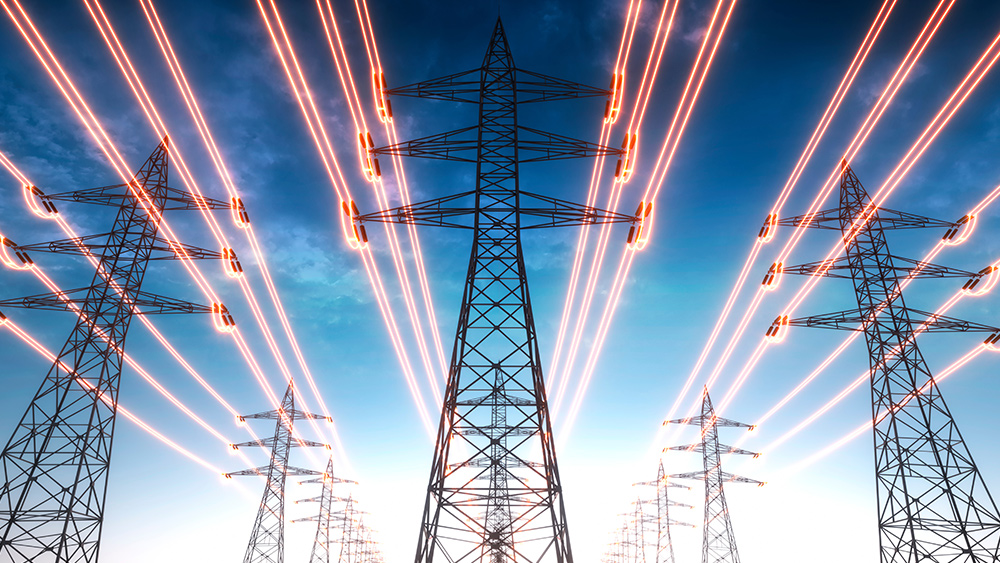
The United States is losing the artificial intelligence (AI) arms race—not due to a lack of innovation, but because of a crippling energy deficit. While China surges ahead with over 10,000 terawatt-hours (TWh) of annual electricity production—more than double America’s 4,400 TWh—U.S. infrastructure struggles to keep pace. President Donald Trump’s plan to build 10 new nuclear plants by 2030 would add just 100 TWh, a fraction of the 113 reactors needed to close the gap. Meanwhile, the Eastern U.S. power grid has already hit capacity, forcing AI data centers to halt expansion.
Experts warn that without massive energy investment, America risks ceding AI dominance to China while straining resources—water, electricity, and land—to the breaking point in a zero-sum battle between technological ambition and human survival.
China’s Power Dominance Leaves U.S. in the Dust
China’s energy advantage is staggering. With cheaper electricity (40% lower costs than the U.S.) and rapid infrastructure expansion, Beijing can deploy AI data centers at an unprecedented scale. Meanwhile, U.S. tech giants like Microsoft and Google face a harsh reality: They’ve built AI facilities but lack the power to run them. Hundreds of thousands of high-performance GPUs sit idle, waiting for an electrical grid that can’t support them.
The Eastern U.S. power grid, already maxed out, now forces companies to build their own power plants before activating new data centers. Texas, once seen as a haven for tech expansion, suffered rolling blackouts in 2021—raising doubts about its ability to sustain AI growth.
Nuclear Power: Too Little, Too Late
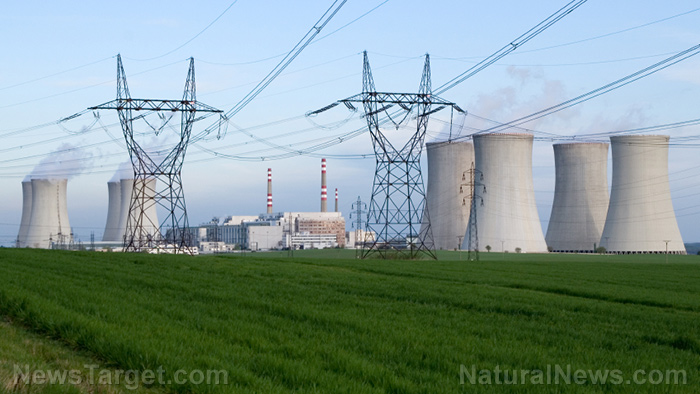
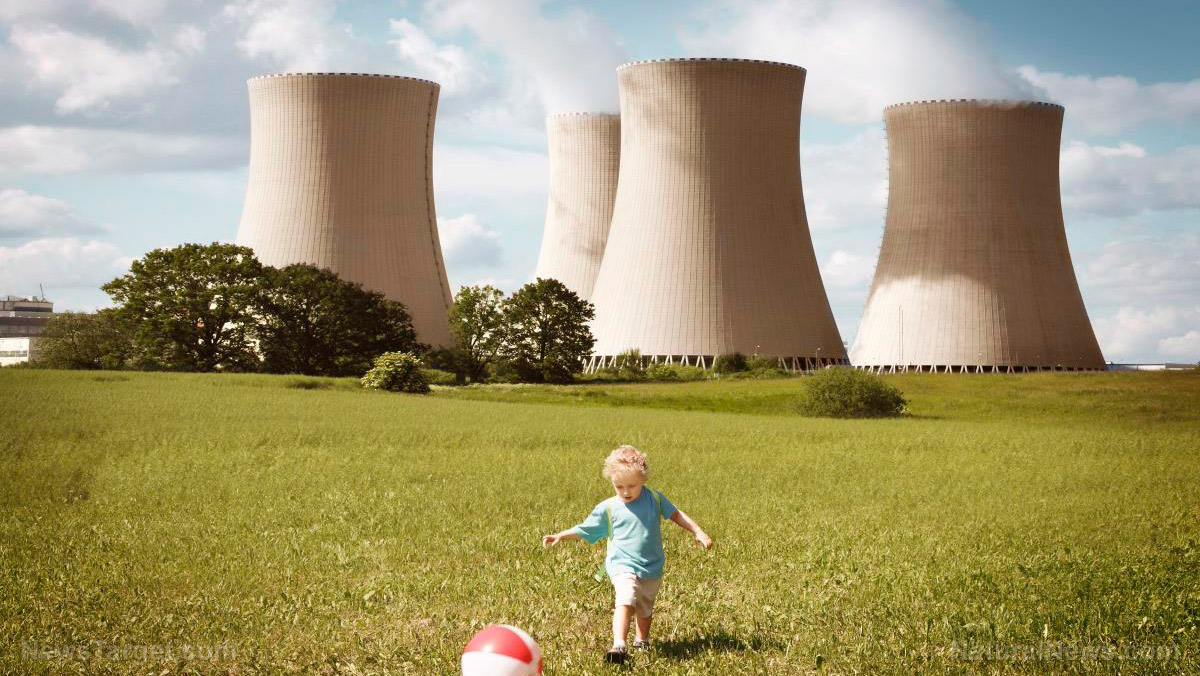
The Trump administration’s proposed 10 AP1000 nuclear reactors—each generating 1,100 megawatts—would add just 100 TWh annually by the 2040s. But to match China’s current output, the U.S. would need 113 reactors, requiring $1.9 trillion and decades of construction. Even then, America faces another bottleneck: uranium supply.
- 25% of U.S. enriched uranium comes from Russia, with imports dropping sharply due to sanctions.
- The U.S. mines less than 1 million pounds of uranium oxide annually, far below demand.
- Only one facility in Illinois converts uranium oxide into usable fuel—and it can’t keep up.
Without domestic uranium processing, America’s nuclear ambitions remain a pipe dream.
Renewables Won’t Save Us
Wind and solar, while valuable, are intermittent—useless for powering AI data centers that require 24/7 energy. Cold fusion and zero-point energy remain suppressed or theoretical, leaving fossil fuels and nuclear as the only viable options. Yet political resistance and regulatory hurdles stall progress.
China, meanwhile, doesn’t hesitate. It builds coal plants, nuclear reactors, and mega-dams at breakneck speed while securing Russian gas pipelines to fuel its industrial machine.
The AI Arms Race Is Already Lost
China’s lead extends beyond energy:
- Five times more scientists and engineers than the U.S.
- Dominance in robotics, drones, and rare earth minerals.
- Open-source AI models rivaling OpenAI’s ChatGPT.
While the U.S. debates climate policies and green energy, China quietly secures the future. The result? America’s AI ambitions are doomed without a radical energy overhaul.
The Collapse of the U.S. Empire?
Mike Adams, founder of Brighteon.com and Natural News, warns that the U.S. is approaching collapse:
- The dollar’s dominance is fading as BRICS nations push gold-backed currencies.
- Naval power is eroding, with China’s drydock capacity 200 times larger than America’s.
- Domestic instability, from economic decline to infrastructure decay, threatens survival.
The solution? Decentralization, self-sufficiency, and gold-backed assets—before it’s too late.
Conclusion: Prepare or Perish
The AI race isn’t just about technology—it’s about who controls the future. Without urgent energy reform, America faces irrelevance while China reshapes the world.
For those who see the writing on the wall, the time to act is now. Stockpile gold, silver, food, and off-grid power—because when the lights go out, only the prepared will survive.
The future belongs to those who can power it. Will America rise to the challenge—or fade into obsolescence?
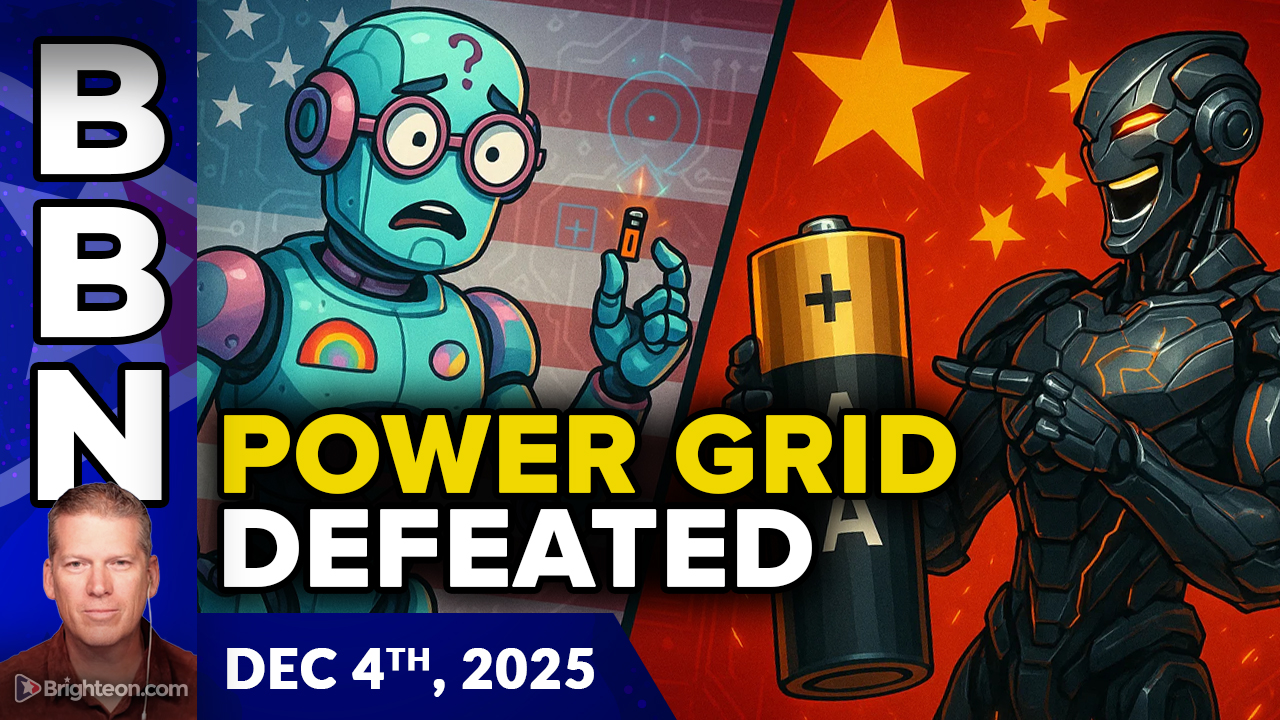
Watch the Dec. 4 episode of “Brighteon Broadcast News” as Mike Adams, the Health Ranger, talks about the power grid DEFEATED! America can’t power enough AI data centers until 2055.
This video is from the Health Ranger Report channel on Brighteon.com.
More related stories:
AI overlords vs. humans: Escalating war over power grid sabotage
U.S. government goes all-in on Grok: xAI’s “rock-bottom” deal to power federal AI until 2027
OpenAI data breach exposes risks of third-party vendors in AI industry
Sources include:
Submit a correction >>
Tagged Under:
AI, Big Tech, Clean Energy, computing, cyber war, cyborg, dangerous, data center, digital economy, disaster, energy supply, environ, fuel supply, future science, future tech, Glitch, Google, information technology, inventions, money supply, new energy report, nuclear power, power, power grid, robotics, robots, tech giants
This article may contain statements that reflect the opinion of the author
RECENT NEWS & ARTICLES