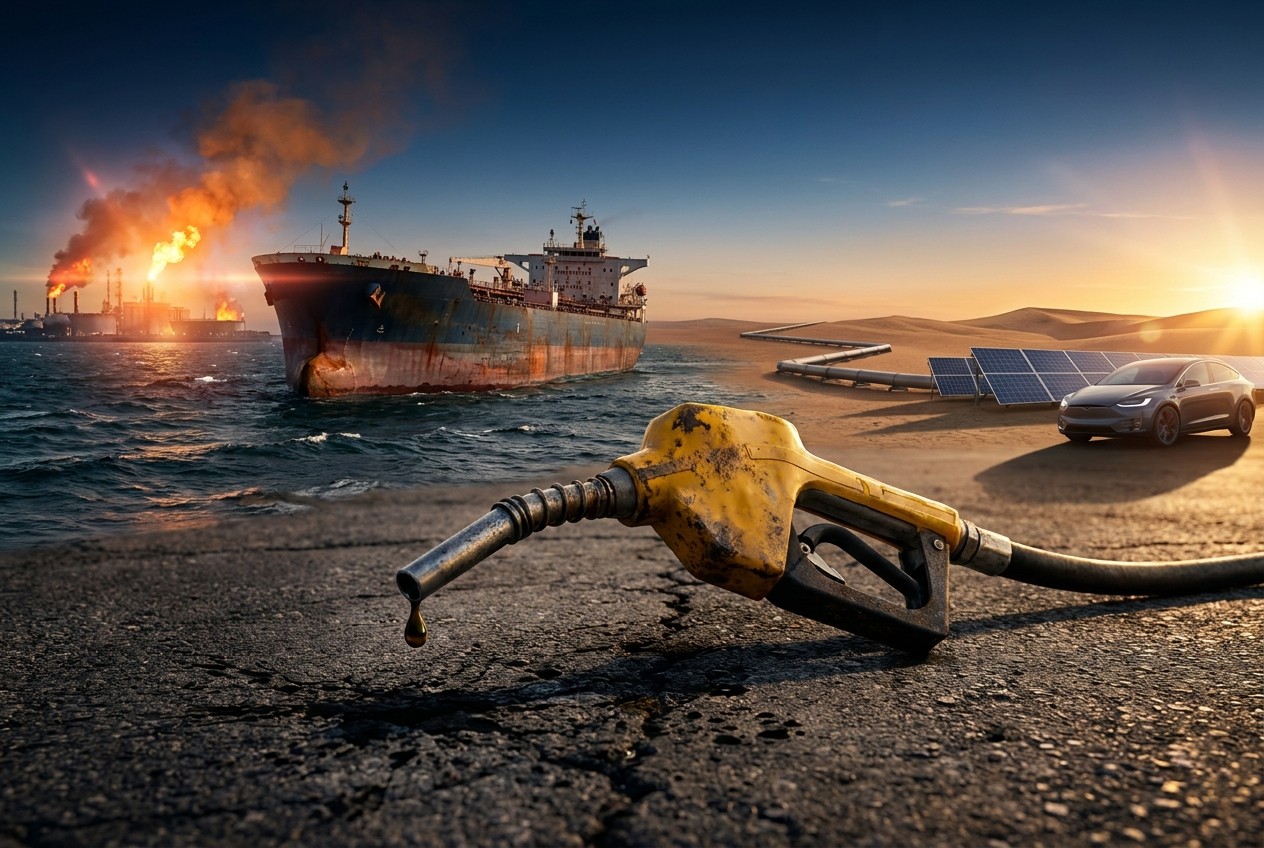
California Fuel Import Reliance, Refinery Closures Raise West Coast Supply Concerns
10/18/2026 / By Douglas Harrington
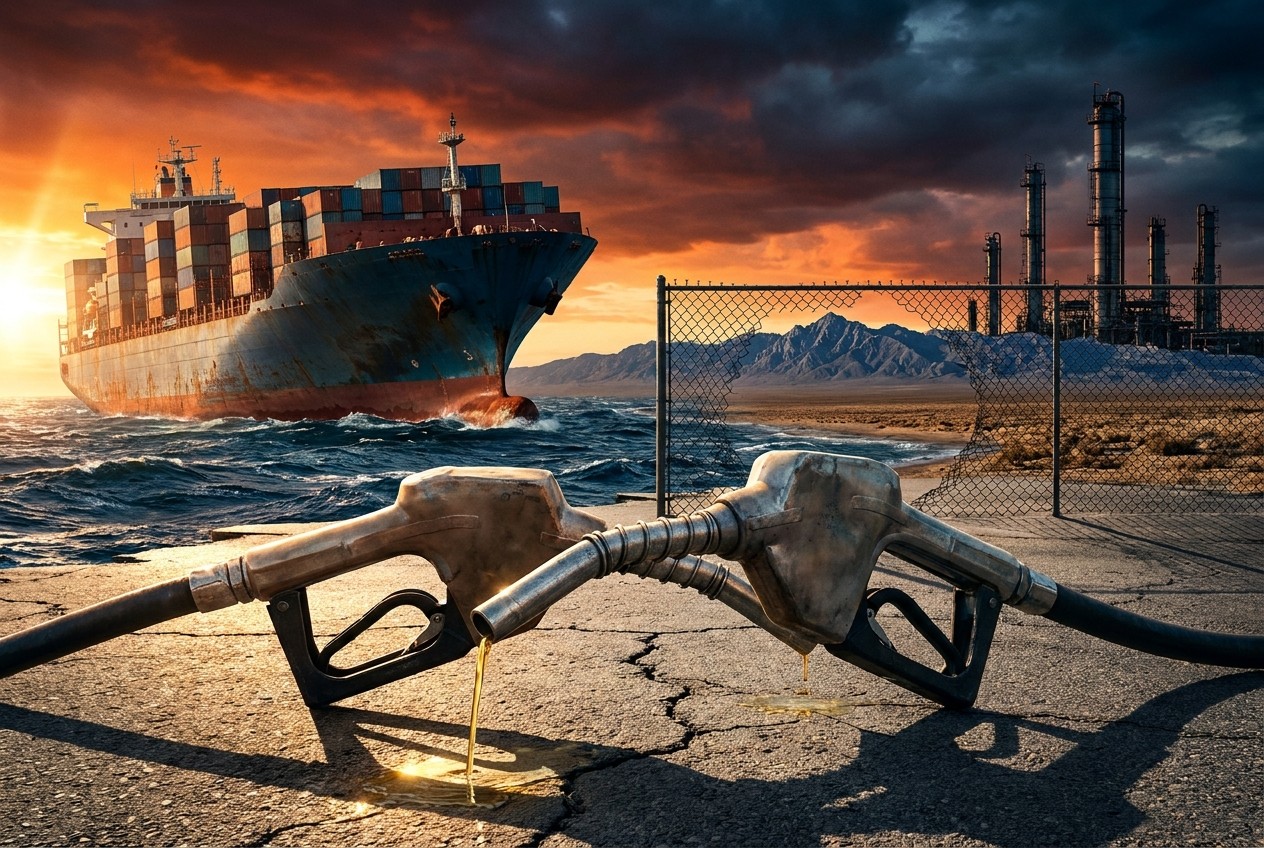
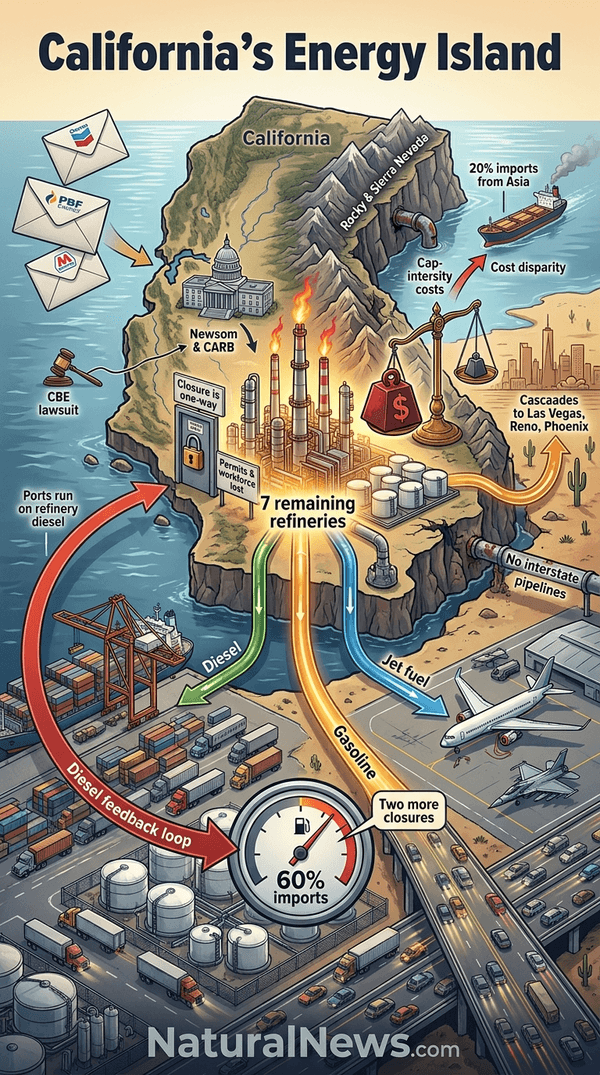
California, the fourth-largest economy in the world, operates as an energy island separated from the other 48 continental states by the Rocky and Sierra Nevada mountain ranges, according to energy analysts Ronald Stein and Mike Ariza. No pipelines cross those mountains, leaving the state dependent on in-state refineries and marine imports to meet its transportation fuel needs [1].
The analysts’ assessment, published through the CO2 Coalition, warns that further refinery closures would trigger flight cancellations, military-base fuel shortages and a collapse of the food-supply chain [1].
Chevron, PBF Energy and Marathon have told Gov. Gavin Newsom (D) and the California Air Resources Board (CARB) they are reviewing refinery closures, citing proposed cap-and-invest costs. Officials said refinery closures are not reversible. Chevron CEO Andy Walz said in a KCRA 3 interview on March 6, 2026, “I am extremely worried! I do believe we should declare a state of emergency in the state of California.”
State Fuel Demand and Refinery Capacity
California’s transportation fuel supply depends heavily on the state’s remaining refineries and the marine terminals that receive imported product. Those marine terminals depend on diesel-powered equipment and trucks, tying port throughput directly to the state’s refining capacity.
The analysts warn that if just two more of the seven operating refineries shut down, California will face a complete logistical collapse, with gasoline imports skyrocketing to more than 60% [2].
Asian Import Disruption and Supply Outlook
California imports roughly 20% of its refined fuels from Asia, leaving it acutely exposed to global supply shocks, according to Chevron’s public warning [3].
The report stated that this will mark the point at which the import shock becomes fully visible in terminal supply and, ultimately, at the gas pump.
Regulatory Amendments and Lawsuit
Chevron, PBF Energy and Marathon dispatched letters to Newsom and CARB stating they were seriously looking at shutting down their refineries in response to proposed cap-and-invest amendments, according to the companies. Chevron CEO Andy Walz said in his letter, “The proposed regulation will cripple the survivability of the state’s remaining refineries, which will result in California losing the entire industry to the misguided program.”
PBF Energy said, “Unless CARB puts in-state refineries on an equal footing with importers… we will be forced to address the viability of our in-state operations, along with every other refiner in the state.” Marathon said the proposal would further widen the cost disparity and force refineries to reconsider whether operations in California remain viable.
CARB made some changes, and on July 1, Communities for a Better Environment sued CARB seeking to invalidate the regulations and require a new review, according to the lawsuit.
Potential Effects on Military, Food and Regional Supply
The analysts said the loss of jet fuel would cause thousands of flight cancellations and likely multiple airport closures, and California’s 30 military bases would not have the jet fuel needed to maintain operations [4].
They said the loss of diesel could lead to a logistical collapse of the food supply chain, with cities having only 3 to 5 days of food supply on hand, the Port of LA shutting down, and cities running out of food in a week to ten days. Trucking depends on diesel, and industry reporting has flagged severe cost pressure on farmers and haulers as fuel prices climb [5].
They said the supply chain collapse would cascade into Las Vegas, Reno, Phoenix and the nation’s Heartland, and that California, Nevada and Arizona are in serious trouble [6]. Diesel prices in San Francisco already surpassed $8 per gallon on April 5, 2026, the first time any U.S. city had reached that threshold, according to GasBuddy data [7].
Calls for Review and Possible Federal Action
Stein and Ariza called for Newsom, the Democratic legislature and the air board to step back and look at the big picture, saying cap-and-invest policies are crippling the state [6]. They said it is past time for Newsom and state legislators to make decisions to address the situation, and that if they cannot, the only choice will be for the president to invoke the Defense Production Act on behalf of the military and citizens of California.
Energy analysts have described the combination of shutting down California refineries with no pipelines to deliver refined products as “the perfect storm of destruction” [8].
References
- California’s Energy Crisis Could Bring The West Coast To …. https://www.eurasiareview.com/13102026-californias-energy-crisis-could-bring-the-west-coast-to-its-knee-oped/
- The Impending Collapse of California’s Transportation Fuel …. https://co2coalition.org/2026/07/30/the-impending-collapse-of-californias-transportation-fuel-infrastructure/
- Chevron warns California faces energy crisis amid Iran war threatens to exit state over taxes and regulations – NaturalNews.com, March 27, 2026.
- Californias refinery collapse threatens military readiness as foreign fuel dependence grows – NaturalNews.com, May 13, 2026.
- Fuel Skyrockets As Wars, Tight Refineries, and Record Diesel Profits Collide. https://thenewamerican.com/us/tech/energy/fuel-skyrockets-as-wars-tight-refineries-and-record-diesel-profits-collide/
- California’s Energy Crisis Could Bring the West Coast To Its Knees. https://wattsupwiththat.com/2026/10/15/californias-energy-crisis-could-bring-the-west-coast-to-its-knees/
- Diesel Prices Exceed 8 Per Gallon in San Francisco as Supply Disruptions Affect California – NaturalNews.com, April 07, 2026.
- Stein and Ariza: California’s energy crisis could bring …. https://open.substack.com/pub/blackmon/p/stein-and-ariza-californias-energy?comments=true
Explainer Infographic
Submit a correction >>
Tagged Under:
big government, California, california collapse, carbon emissions, Chevron, electricity, energy crisis, energy report, energy supply, fuel supply, Gavin Newsom, Marathon Energy, oil prices, oil refineries, PBF Energy, power, power grid, refining capacity, risk, Strait of Hormuz, supply chain, Trump administration, US
This article may contain statements that reflect the opinion of the author
RECENT NEWS & ARTICLES